AI-TDS™ Technology

1. Definition and Scope of AI-TDS™ Technology

AI-TDS™ is a proprietary manufacturing and formulation-development technology implemented within our production facilities.
It is not a formulation system or a finished product, but a technology framework that governs how formulations are designed, processed, stabilized, and assembled.

AI-TDS™ operates across the entire formulation lifecycle, from pre-laboratory design decisions to controlled manufacturing execution. Its objective is to reduce variability,increase predictability, and optimize functional performance of advanced formulations intended for biological application.

The technology is structured around four scientific pillars, each addressing a critical and complementary stage of formulation development and processing.

I

2. Pillar I — AI-Assisted Sequence Optimization

METHODOLOGICAL FRAMEWORK

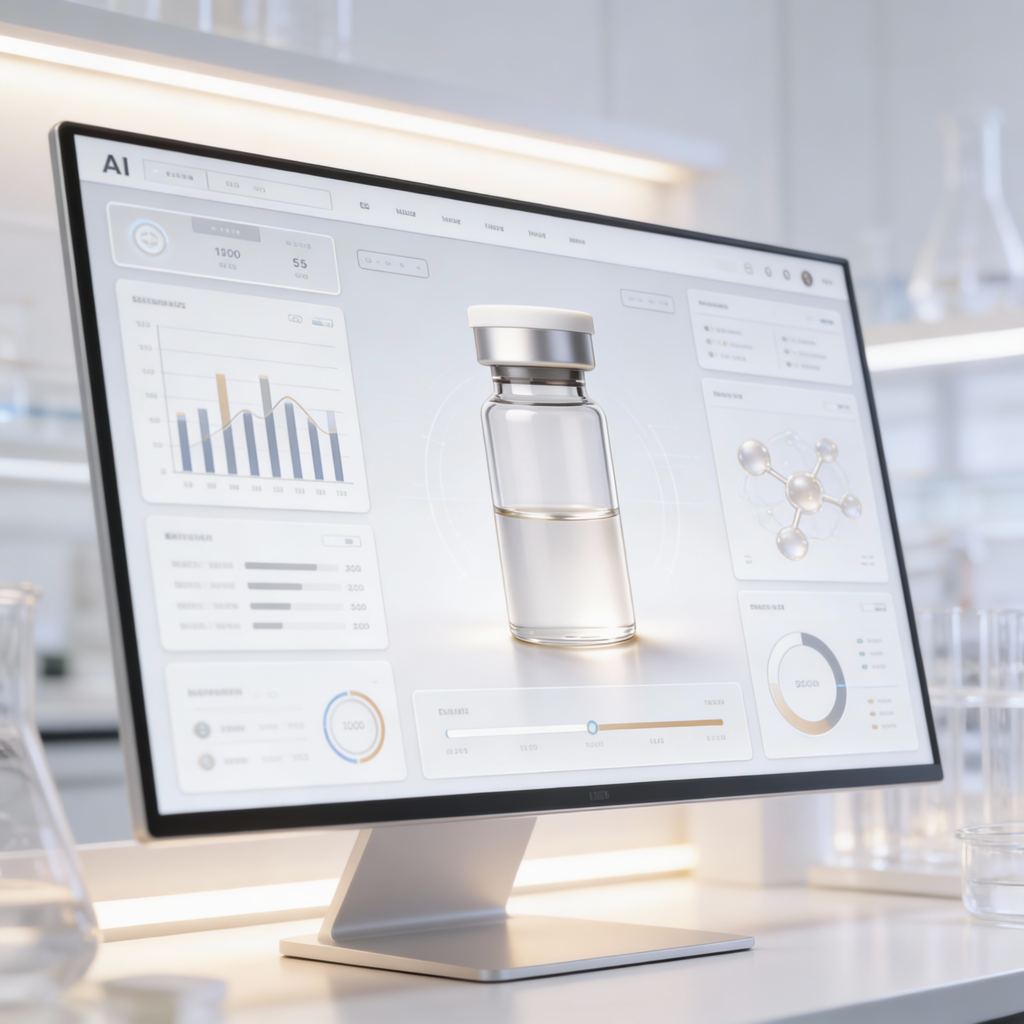
AI-assisted sequence optimization applies predictive, algorithm-guided modeling to evaluate multiple formulation pathways prior to laboratory or manufacturing execution. The methodology assesses:

  • Ingredient–ingredient interaction probability
  • Compatibility under defined processing conditions
  • Risks of physicochemical instability, including precipitation, degradation, or phase separation
Functional Impact
  • Enhances ingredient compatibility within the final formulation by selecting the optimal order of incorporation
  • Improves structural homogeneity, reducing micro-heterogeneity and localized instability
  • Minimizes risks of ingredient inactivation, aggregation, or antagonistic interactions
  • Optimizes functional performance of actives by ensuring conditions that preserve their integrity
  • Contributes to consistent physicochemical behavior of the final formulation
  • Supports predictable biological and mechanical performance

3. Pillar II — Thermal Stabilization of Hyaluronic Acid

Methodological Framework

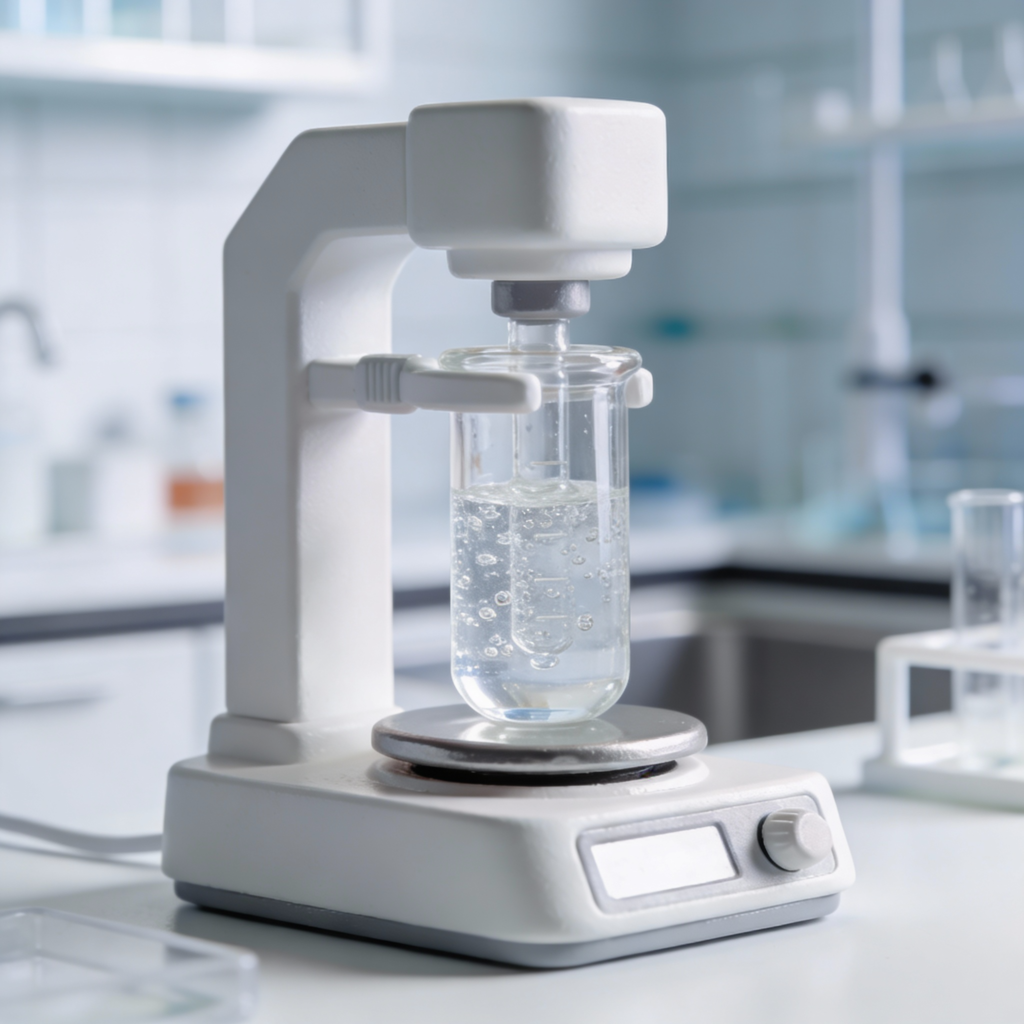
Thermal stabilization is a controlled physical processing step applied specifically to hyaluronic acid. Defined temperature and exposure parameters promote improved molecular organization, enhanced consistency, and preservation of native molecular structure and molecular weight distribution. No chemical crosslinking or reactive agents are used.

Functional Impact
  • Improves formulation uniformity and consistency
  • Enhances resistance to processing-related instability
  • Maintains high biocompatibility and physiological affinity
  • Supports reproducible performance across multiple products
II
III

4. Pillar III — Dynamic Rheology

Methodological Framework

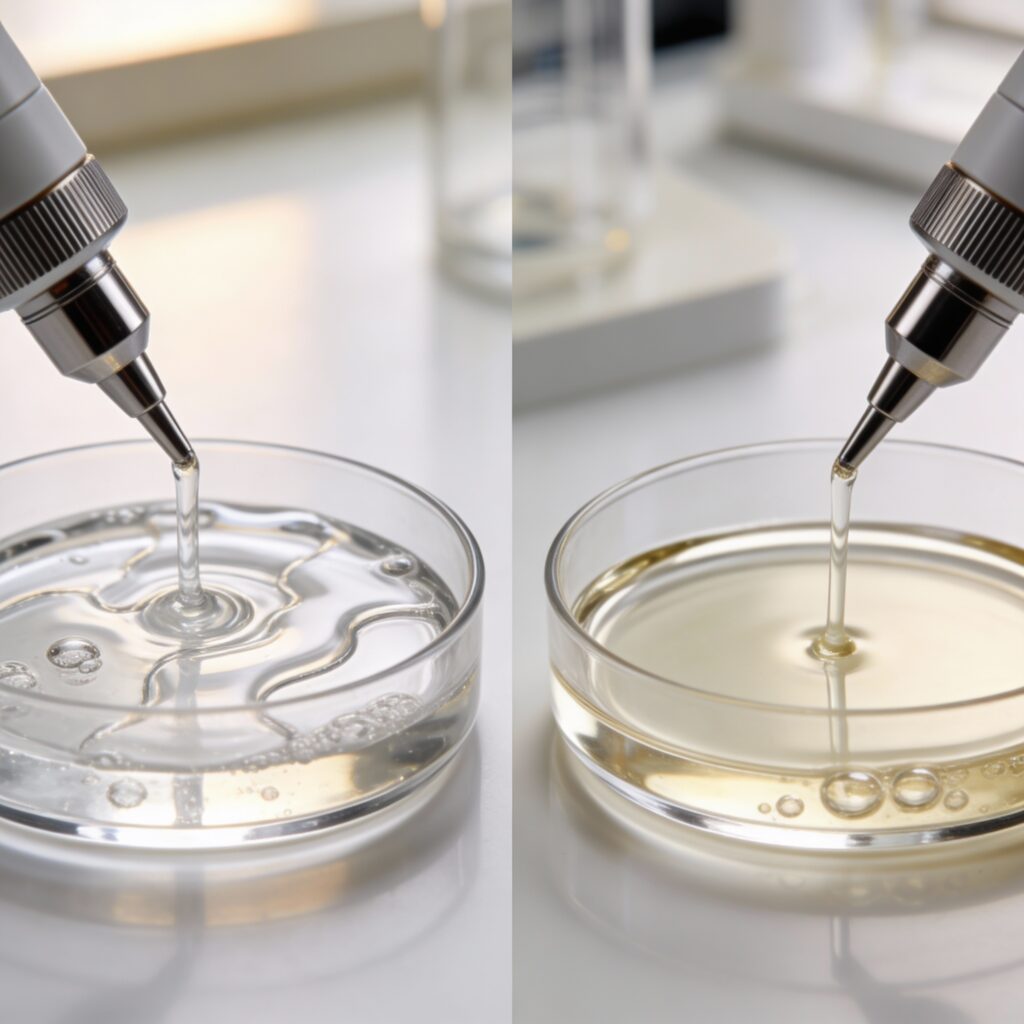
Beyond chemical composition, mechanical behavior under physiological forces is a key determinant of product performance. Dynamic rheology describes the reversible mechanical response of a formulation to applied stress.

In the laboratory, it is defined through controlled rheological testing under physiologically relevant conditions. In vivo, it refers to the formulation’s ability to adapt mechanically to tissue-related forces while maintaining structural and compositional consistency.

Functional Impact
  • Ensures predictable mechanical behavior under physiological conditions
  • Supports consistent structural performance after placement
  • Enhances compatibility with natural tissue movement
  • Allows selected components to remain functionally active over time

5. Pillar IV — Sequential Assembly with Selective Pre-Hydration

Methodological Framework

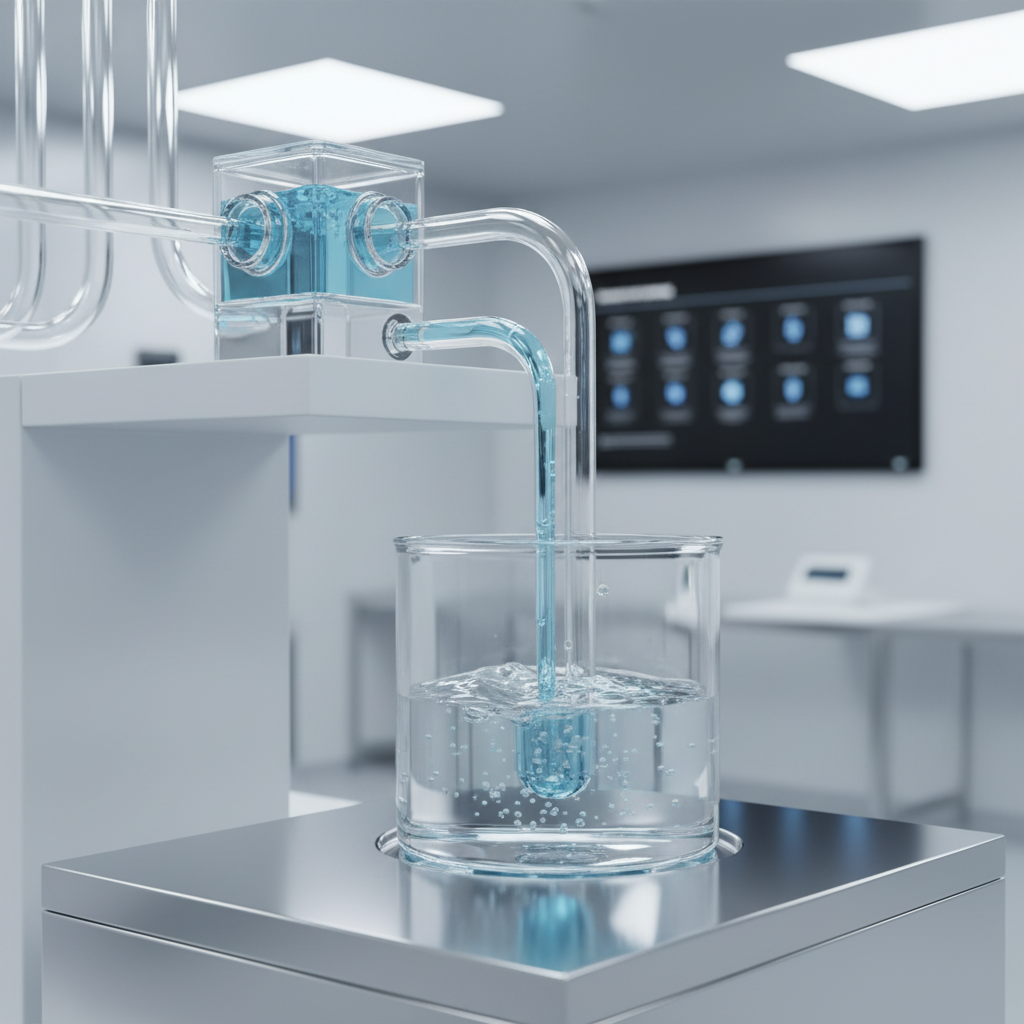
Sequential assembly is a controlled manufacturing strategy in which ingredients are incorporated step-by-step in a predefined order, sensitive actives are selectively pre-hydrated under optimized conditions prior to integration, and exposure to destabilizing environments is minimized.

Functional Impact
  • Preserves functional integrity of sensitive components
  • Improves formulation homogeneity
  • Enhances long-term stability and performance
  • Enables precise control over ingredient compatibility and synergy
IV

6. System-Level Scientific Value of AI-TDS™

When applied together, the four AI-TDS™ pillars create a controlled, reproducible, and optimized formulation pathway.

I

AI-Assisted Optimization

Defines formulation strategy before physical execution

II

Thermal Stabilization

Standardizes the structural base of every formulation

III

Dynamic Rheology

Controls mechanical behavior in biological environments
 

IV

Sequential Assembly

Preserves ingredient functionality through precision manufacturing

7. Conclusion

AI-TDS™ is a patented technology that controls how a formulation is built, not only which ingredients are used. Unlike conventional formulations developed by standard mixing and empirical adjustment, AI-TDS™ defines ingredient interactions, structural organization, and mechanical behavior during formulation design.

Because the final product properties are created through this unique, protected formulation pathway, the resulting formulation shows more consistent structure, predictable behavior in the body, and controlled biological interaction. These characteristics cannot be reproduced by regular formulation methods, which is why the technology and its resulting product outcomes are protected by patent.

Patented Technology
AI-TDS™ and its resulting product outcomes are protected by patent. The formulation pathway cannot be reproduced by regular formulation methods.